Choosing Ethical Service Software: A Buyer's Guide

Choosing software for a service business usually comes down to features, price, and what the guy at the trade show booth said. Occasionally someone checks online reviews. Rarely does anyone ask the question that matters most: will this software help me treat my customers honestly, or will it quietly undermine my values in pursuit of metrics?
This guide is for shop owners, office managers, and anyone else who makes software purchasing decisions for service businesses. It is a framework for evaluating tools not just on what they can do, but on how they do it.
Start With Defaults
The single most revealing thing about any software platform is its default configuration. Defaults tell you what the vendor expects most users to do, which tells you what the vendor optimizes for.
During your evaluation, set up a trial account and do not change any settings. Then walk through the customer experience. Book an appointment. Receive the confirmation. Get the follow-up messages. See what happens after the "service" is complete. How many automated messages does the customer receive? Are there upsell prompts? Review requests? Reactivation campaigns?
If the default experience is one you would be uncomfortable receiving as a customer, that tells you something important. You can change the defaults, of course. But platforms designed around aggressive defaults tend to be platforms where ethical operation requires constant vigilance. You are fighting the tool rather than being supported by it.
Compare this to a platform where the defaults are conservative. Appointment reminders are on. Marketing campaigns are off. Review requests require explicit activation. Data sharing with third parties is opt-in, not opt-out. This kind of default philosophy signals a vendor that thinks about the customer experience, not just the metrics dashboard.
Evaluate Consent Mechanisms
How does the software handle customer consent? This is where many platforms fall short, and where the consequences for your business are most direct.
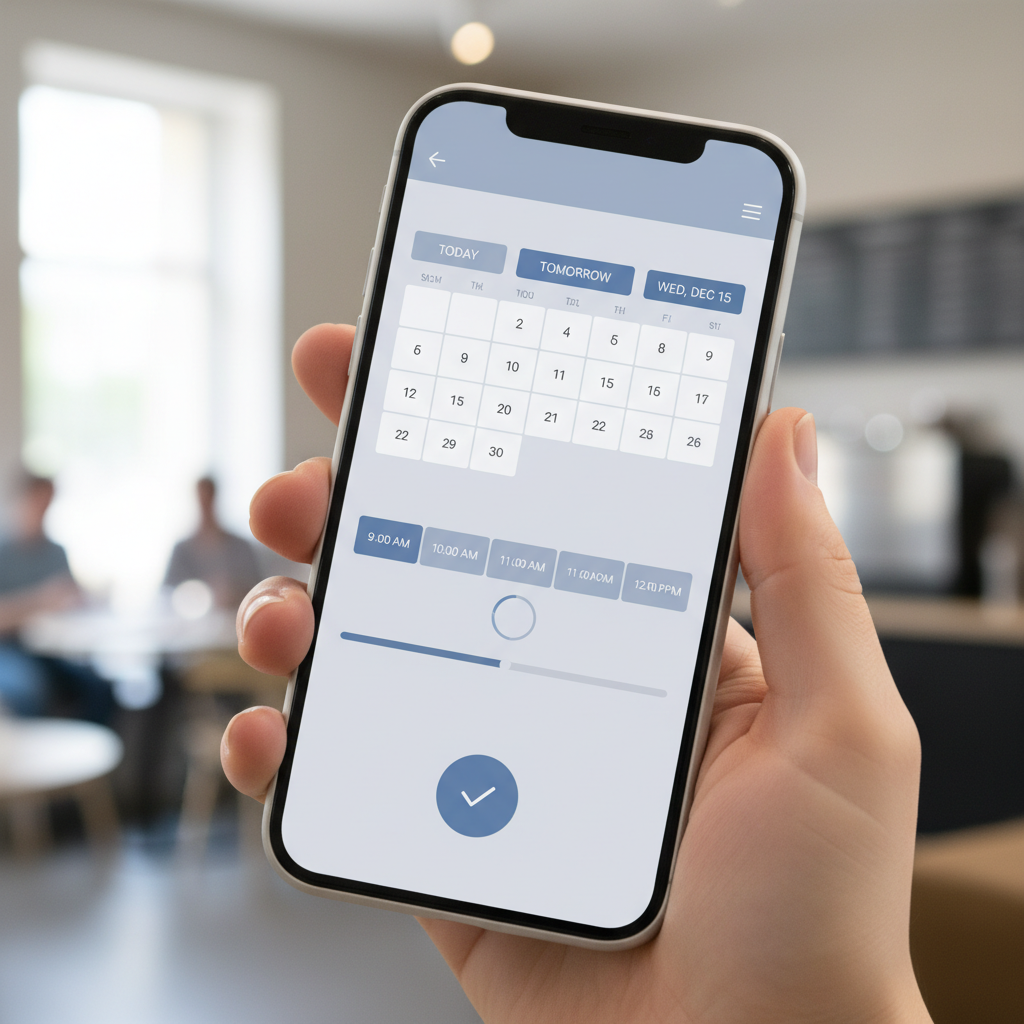
Look at the booking and intake forms the platform generates. Is consent for marketing communications separate from consent for service communications? Can customers opt into some messages and not others? Is the consent language in plain English or legal jargon?
Check whether the platform supports meaningful consent or just compliance-theater consent. A platform that provides one pre-checked box covering "all communications" is technically compliant in some jurisdictions but falls well short of genuine informed consent. A platform that offers granular, clearly explained opt-ins treats your customers with more respect.
Pay special attention to how the platform handles opt-outs. When a customer replies STOP to a text message, what happens? Is the opt-out immediate and comprehensive? Or does the platform distinguish between "marketing" and "transactional" messages in ways the customer never agreed to, continuing to send texts even after the customer tried to stop them? SMS automation abuse often lives in these gray areas.
Examine Data Practices
Every service platform collects customer data. The question is what happens to it.
Where is data stored? On-premises, in the vendor's cloud, or with a third party? Who has access? Can you get a clear answer to these questions, or does the vendor deflect?
How is data used beyond your business? Many SaaS platforms use aggregated customer data to improve their products, train AI models, or generate industry benchmarks. Some share or sell data to third parties. The vendor's privacy policy should spell this out, but "should" and "does" are different things. Ask directly.
What happens when you leave? If you switch platforms, can you export all your customer data in a standard format? Can you request that the vendor delete your data from their systems? A vendor that makes data export difficult or data deletion impossible is a vendor that treats your customer data as their asset.
How are data deletion requests handled? When a customer exercises their right to have their data deleted, does the platform support that easily? Or does it require manual intervention, workarounds, or "best effort" promises? Consent theater extends to data deletion when the mechanism exists in policy but not in practice.
Assess AI and Automation Features
If the platform includes AI-powered features, apply the framework from our AI transparency checklist.
Can you see why the AI recommended something? A system that shows a recommendation without any explanation is a black box. A system that says "recommended based on 60,000 miles since last brake service and manufacturer interval of 50,000 miles" gives you and your customer something to evaluate.
Can you override AI recommendations easily? If the system makes it difficult to deviate from its suggestions, it is prioritizing its model over your expertise. Ethical AI tools treat their recommendations as input to human judgment, not a replacement for it.
Does the platform disclose AI to customers? When AI generates a message, recommendation, or estimate that reaches the customer, does the platform make that clear? Or does it present AI output as if it came from a human? Platforms that help you be transparent are platforms that share your values.

What data trains the AI? Is the AI trained on your customer data? On data from all the vendor's customers? On third-party data? Understanding the training data helps you evaluate both the quality and the ethics of the AI output.
Review the Review System
If the platform includes review management, check whether it supports review gating. This is the practice of routing happy customers to public review sites while routing unhappy customers to private feedback forms. If the platform offers this feature, it is offering you a tool for deception. Whether you choose to use it says something about your business. Whether the vendor chose to build it says something about theirs.
Ethical review management sends every customer to the same destination. It makes leaving a review easy without making it pressured. It does not time requests to capitalize on immediate post-service goodwill before the customer has had a chance to actually evaluate the work.
Talk to the Vendor
The sales conversation itself is revealing. Ask these questions and pay attention not just to the answers but to the vendor's comfort level with the questions.
"What customer data do you collect beyond what is needed for the core service?" A vendor that cannot clearly delineate between essential and non-essential data collection has not thought carefully about data minimization.
"How do your default settings balance business goals with customer experience?" A vendor that talks exclusively about conversion rates, average ticket size, and revenue per customer is telling you their priorities. A vendor that also talks about customer satisfaction, opt-in rates, and complaint resolution has a broader perspective.
"Can you show me every automated message a customer receives in a typical service lifecycle?" If the vendor cannot or will not demonstrate the full automated experience, that is a red flag. You should know exactly what your customers will receive before you commit.
"What happens when a customer complains about an automated message they did not want?" The answer reveals how the vendor thinks about accountability. Do they treat it as a configuration issue (your problem) or a design issue (shared responsibility)?
The Cost of Cheap Software
As the California Consumer Privacy Act and similar state laws expand, the legal consequences of poor data practices only grow. Ethical software often costs more than its aggressive counterparts. Vendors that invest in thoughtful consent mechanisms, transparent AI, conservative defaults, and genuine data stewardship have higher development costs. Vendors that maximize engagement metrics and sell customer data can subsidize their pricing.
This creates a real tension for cost-conscious service businesses. But consider the full cost of the cheaper option: the customer trust eroded by aggressive automation, the legal risk from inadequate consent, the reputation damage from manipulative review practices, the time spent fighting your own software's defaults.
The right software for your business is the software that works the way you want to work. If you value honest customer relationships, choose tools built by vendors who value the same thing. The features list and the price tag will tell you what the software can do. The defaults, the consent mechanisms, and the vendor's answers to hard questions will tell you what the software will do when you are not looking. That is what matters most.