About Twisted Ethics
I started Twisted Ethics because nobody else was saying the obvious thing: the software that runs service businesses is full of ethical compromises, and the people using it rarely know.
I've spent years watching business software evolve from simple scheduling tools into sprawling platforms that manage customer communication, pricing, upsells, reviews, and follow-ups. Somewhere along the way, the line between "helpful automation" and "quiet manipulation" got blurry. Most vendors don't talk about that line. Most shop owners never think to ask where it is.

The view from where the questions get asked.
This site is not a consumer advocacy project. It's not an academic journal. It's closer to trade journalism with an opinion section that never ends. I look at specific tools, specific features, specific defaults, and I ask whether they're built to serve the customer or to extract from the customer. Sometimes the answer is both. That's where things get interesting.
I'm not anti-technology. I think automation can genuinely help small businesses run better, respond faster, and serve people well. But I also think the industry has a habit of framing manipulation as "optimization" and hoping nobody notices. Twisted Ethics is the noticing part.
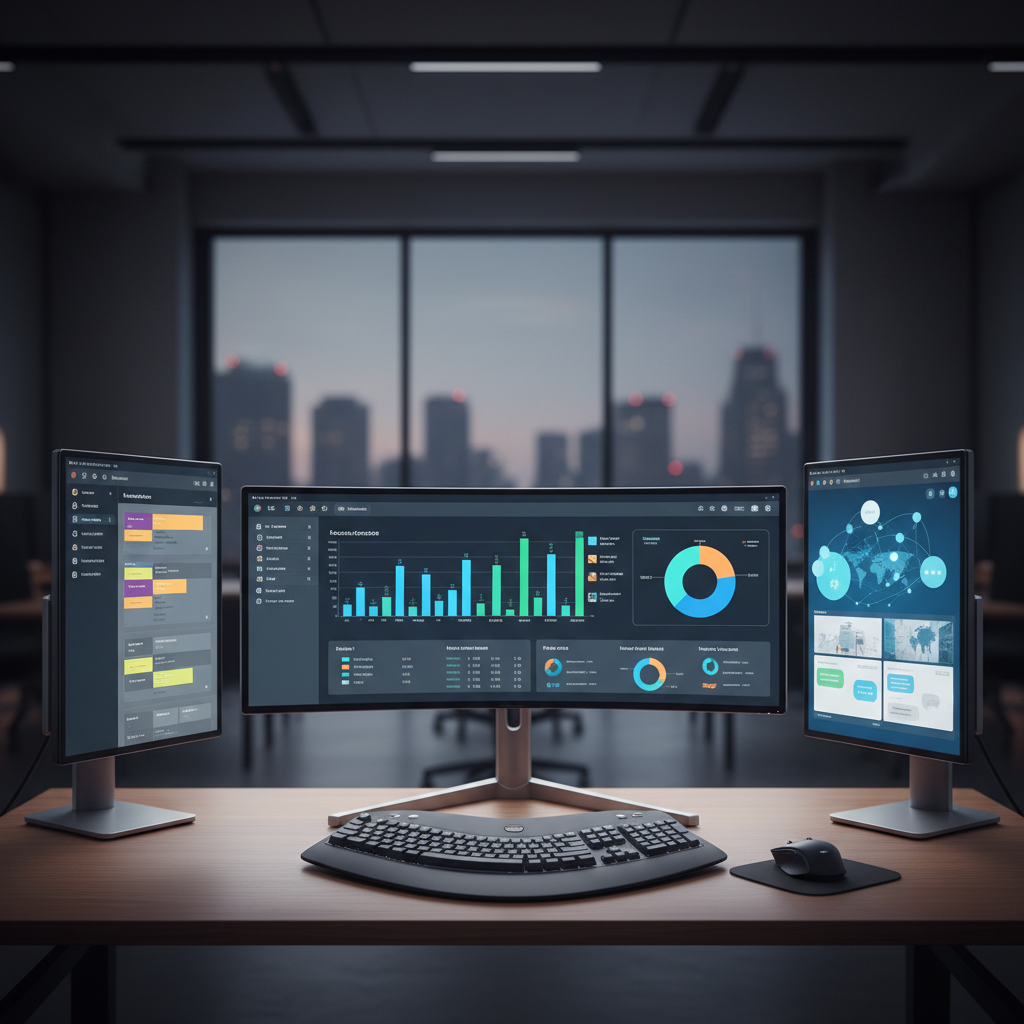
Software interfaces that quietly shape what customers experience.
What you'll find here
The site is organized around a few core areas. AI and automation covers the growing role of machine-driven decisions in service businesses. Customer trust looks at how software either builds or erodes confidence. Dark patterns catalogs the specific tricks. Business software evaluates tools and platforms on ethical grounds. Service operations gets into the day-to-day reality. And case studies look at real scenarios in detail.
Every piece is written by me. No guest posts, no sponsored content, no affiliate links steering the analysis. If I mention a specific product, it's because I've used it, seen it used, or dug into what it actually does. I'll name names when the situation calls for it.
The point
Business owners deserve to know what their software is doing on their behalf. Customers deserve to know when they're being nudged, filtered, or automated. The editorial stance page goes deeper into how I think about ethics in this context. It's not philosophy. It's practical.
If you run a service business and you've ever wondered whether your software is doing right by your customers, you're in the right place. If you build that software and you want to know what honest criticism looks like, even better.