Business Software and the Ethics Nobody Audits
When a service business picks software, they evaluate features, pricing, ease of use, and maybe integration options. What they almost never evaluate is the ethical design of the product. What does the software do by default? What decisions does it make without asking? Whose interests does it serve when the business owner's interests and the customer's interests conflict? These questions don't appear on comparison charts. They don't come up in demos. And they matter more than almost anything else on the feature list.
The service business software market is enormous and consolidating fast. A handful of platforms now handle scheduling, communication, invoicing, reviews, marketing automation, and customer relationship management for millions of small businesses. The business owner interacts with a dashboard. The customer interacts with text messages, emails, booking forms, and payment screens that the platform generates. Between those two interfaces sits a set of decisions the platform made, and the business owner often has no idea what those decisions are.
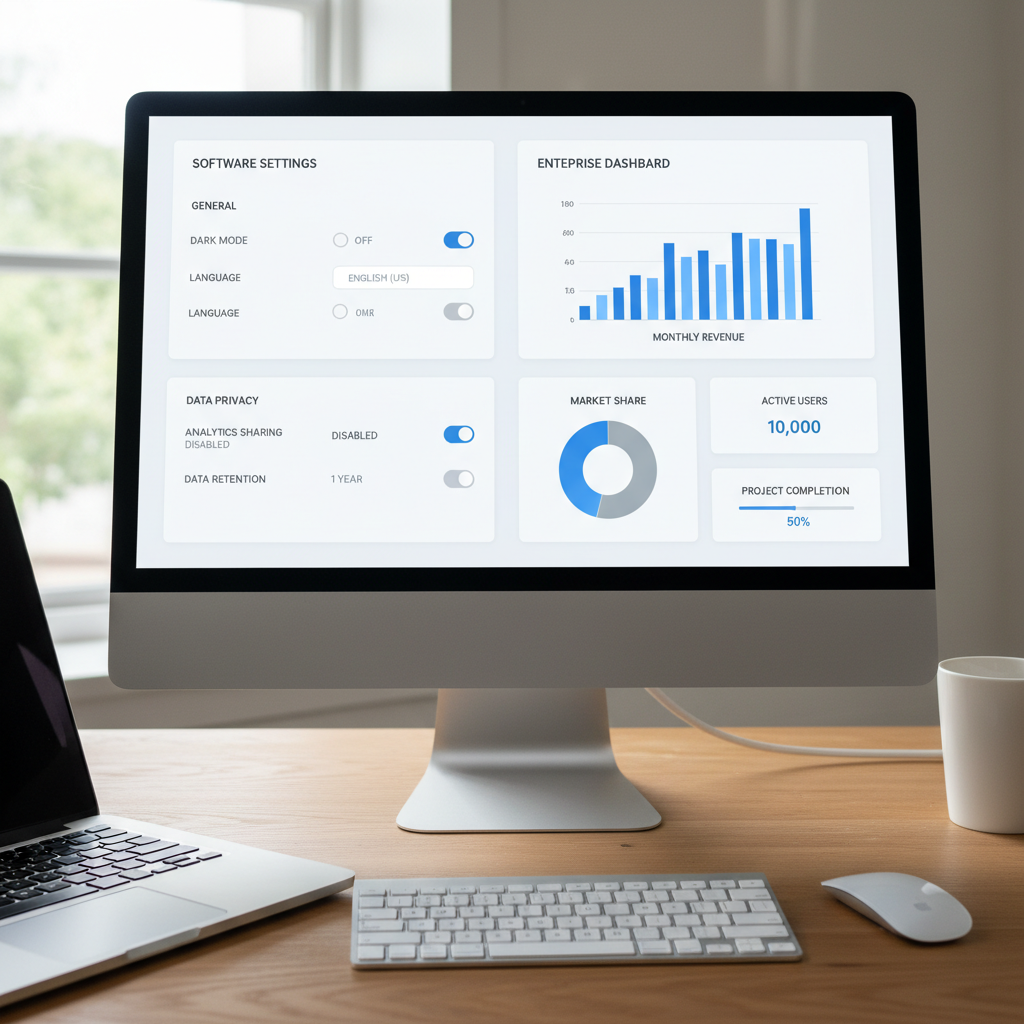
Default settings in a shop management platform. Most owners never change them. The vendor knows that.
Take defaults. When a platform sets a new customer communication template to include upsell language by default, most business owners will never change it. Research on default effects is unambiguous: defaults stick. The people who designed that template know this. They chose the default knowing it would be the de facto choice for the vast majority of users. That means the default is, functionally, the decision. And if the default serves the vendor's interests over the customer's, every business on the platform is unknowingly participating in a practice they never chose.
The vendor incentive problem
Software vendors make money when businesses use their platform more. That's obvious. What's less obvious is how this incentive shapes product design at every level. Features that increase customer engagement, that drive more transactions, that generate more communication volume, are the features that get built and promoted. Features that help the business owner slow down, ask questions, or give customers more control are, at best, deprioritized. At worst, they're actively avoided because they reduce the metrics the vendor reports to investors.
This isn't conspiracy. It's economics. A vendor that ships a feature increasing average repair order by 15% gets a case study. A vendor that ships a feature giving customers clearer pricing information, potentially reducing the repair order, gets nothing. The incentive structure pushes every vendor in the same direction, and the result is an industry where "helping the business succeed" has become indistinguishable from "extracting more from every customer interaction."

Vendor marketing metrics. Notice what's measured and what isn't: no mention of customer satisfaction or informed consent.
The transparency gap
Business owners trust their software to do what it says. Most of the time, they're right. The scheduling works. The invoices go out. The reminders get sent. But between those visible operations, the software is making micro-decisions the business owner never sees. Which messages get follow-up sequences. How abandoned bookings get retargeted. Whether the system adjusts pricing suggestions based on customer history. How the AI prioritizes which findings to highlight in a digital inspection.
These decisions are invisible not because they're hidden exactly, but because the interface doesn't surface them. The business owner would have to read documentation, dig through advanced settings, or ask specific questions nobody thinks to ask. The vendor benefits from this opacity. An informed business owner might object to some of these practices. An uninformed one simply benefits from the revenue increase and assumes the software is doing things properly.
The articles below examine how specific software categories, features, and design patterns affect the people who use them and the customers on the receiving end. This isn't a product review section. We're not ranking tools by feature sets. We're asking whether the tools are honest, and with whom.

What the dashboard shows versus what's happening underneath. Business owners see results but not the methods.