Case Studies: Ethics Under the Microscope
The other sections on this site identify patterns. This one shows you the evidence. Case studies are where the abstract becomes specific: a particular tool, a particular feature, a particular outcome that reveals something about how software shapes the relationship between businesses and their customers. These aren't hypotheticals. They're built from real products, real defaults, and real consequences that someone experienced.
The value of a case study, compared to a general analysis, is that it forces you to deal with the mess. General principles are clean. "Software should be transparent" is easy to agree with and hard to argue against. But when you look at a specific scheduling tool and trace exactly how its default settings change a customer's experience, the simplicity evaporates. You find trade-offs that the principles don't account for. You find situations where transparency and usability conflict. You find features that are simultaneously helpful and manipulative, depending on whose perspective you adopt.

An annotated booking flow. Every numbered point is a design decision that affects the customer's final bill.
That messiness is the point. The service business software industry runs on clean narratives. Vendors tell stories about efficiency, growth, and customer satisfaction. Business owners hear those stories and buy the tools. Customers interact with the tools and form impressions they can't quite articulate. The case study format lets us trace the full chain, from the vendor's design choice to the business owner's dashboard to the customer's phone screen, and show where the narrative breaks down.
What we examine
Each case study starts with a specific question. Not "is this software ethical?" because that's too broad to be useful. More like: "When this platform's automated upsell prompt fires during a service visit, what does the customer actually experience?" Or: "When the AI inspection tool reorders findings by revenue potential instead of safety priority, does the technician notice?" Or: "When the booking form pre-selects premium services, how many customers actively deselect them versus accepting the default?"
These are questions with observable answers. Some of them we can answer through direct testing. Others require looking at the software's design, talking to people who use it, and applying what research tells us about how defaults, framing, and interface design affect decisions. We don't claim perfect objectivity. We do claim rigor, in the sense that every claim is traceable to something specific and every conclusion is falsifiable.
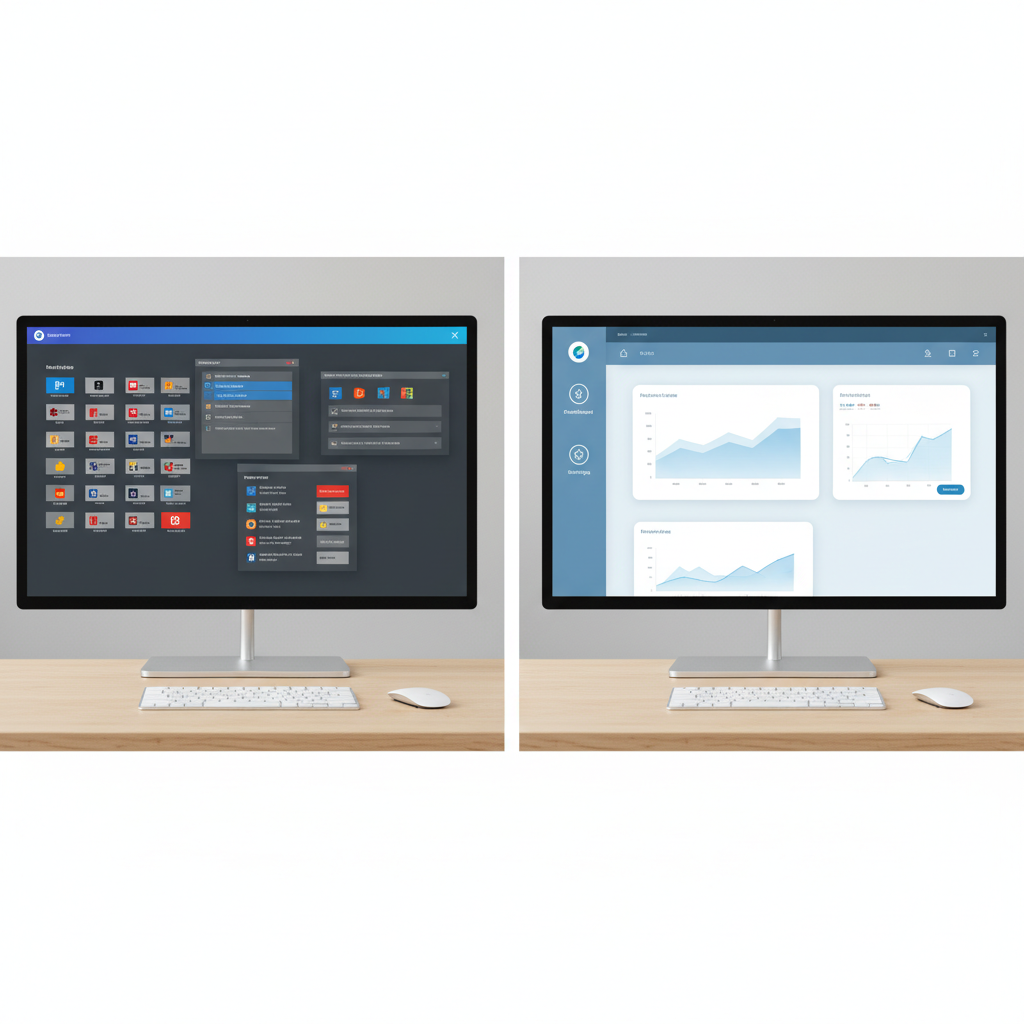
Before and after: how enabling a single automation feature changed every customer message the shop sent.
Why this matters
The service business software market is worth billions, and almost none of it gets ethical scrutiny from anyone outside the company that built it. Consumer tech gets investigated by journalists, reviewed by advocacy groups, and occasionally hauled before Congress. Small business software operates in a kind of oversight vacuum. The customers affected are individuals, not a visible constituency. The businesses using the tools trust their vendors. The vendors answer to investors who care about growth metrics, not ethics audits.
Case studies are our way of filling that gap, one specific examination at a time. They're longer than our other articles because the details matter. The difference between a helpful feature and a manipulative one often lives in a single default setting, a particular word choice, or a specific interaction sequence. Rushing past those details defeats the purpose.
If you're a business owner, these case studies will show you what your software might be doing that you haven't noticed. If you're a software builder, they'll show you what your design choices look like from the outside. And if you're a customer who's ever felt like something was off about a digital interaction with a service business, you'll probably recognize the patterns.
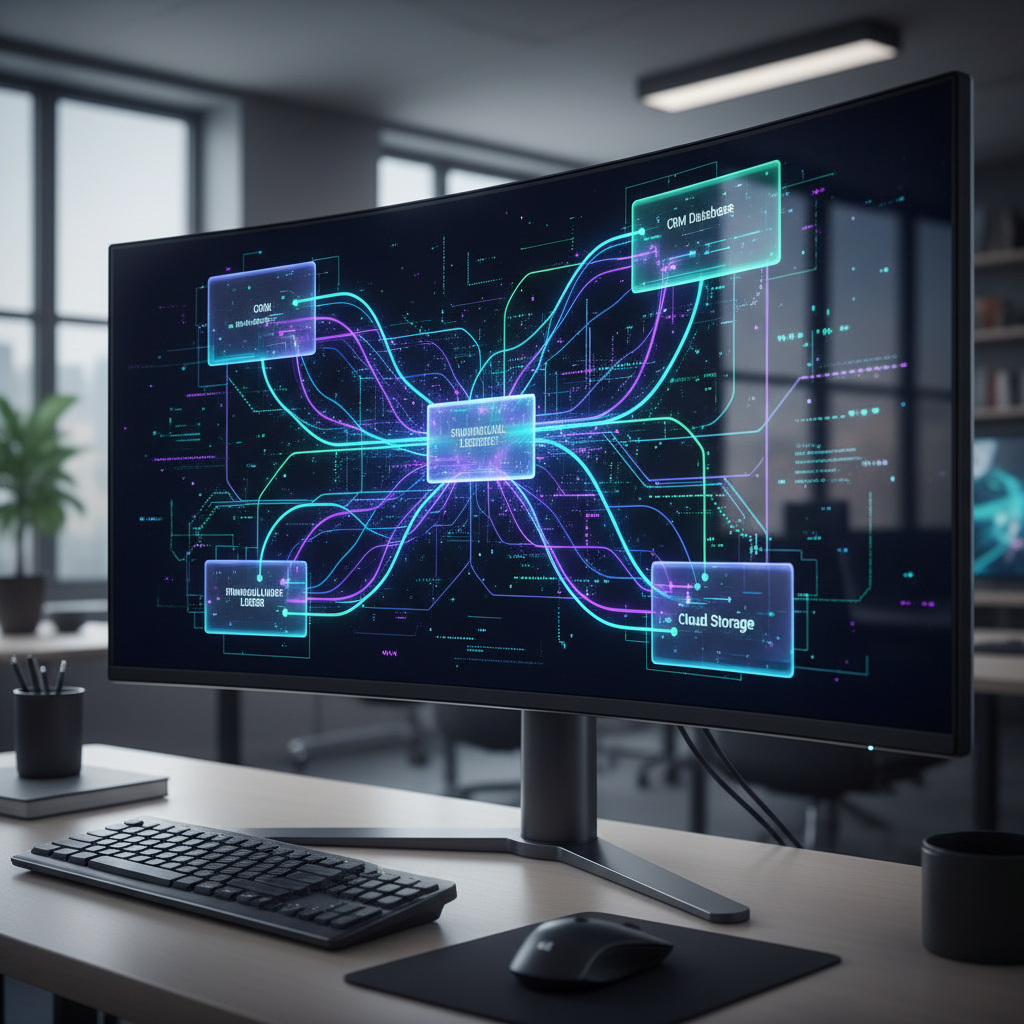
One appointment, one customer. This is the data trail and the automated actions it triggered. The customer knew about the appointment.