Online Scheduling and the Soft Pressure to Buy More
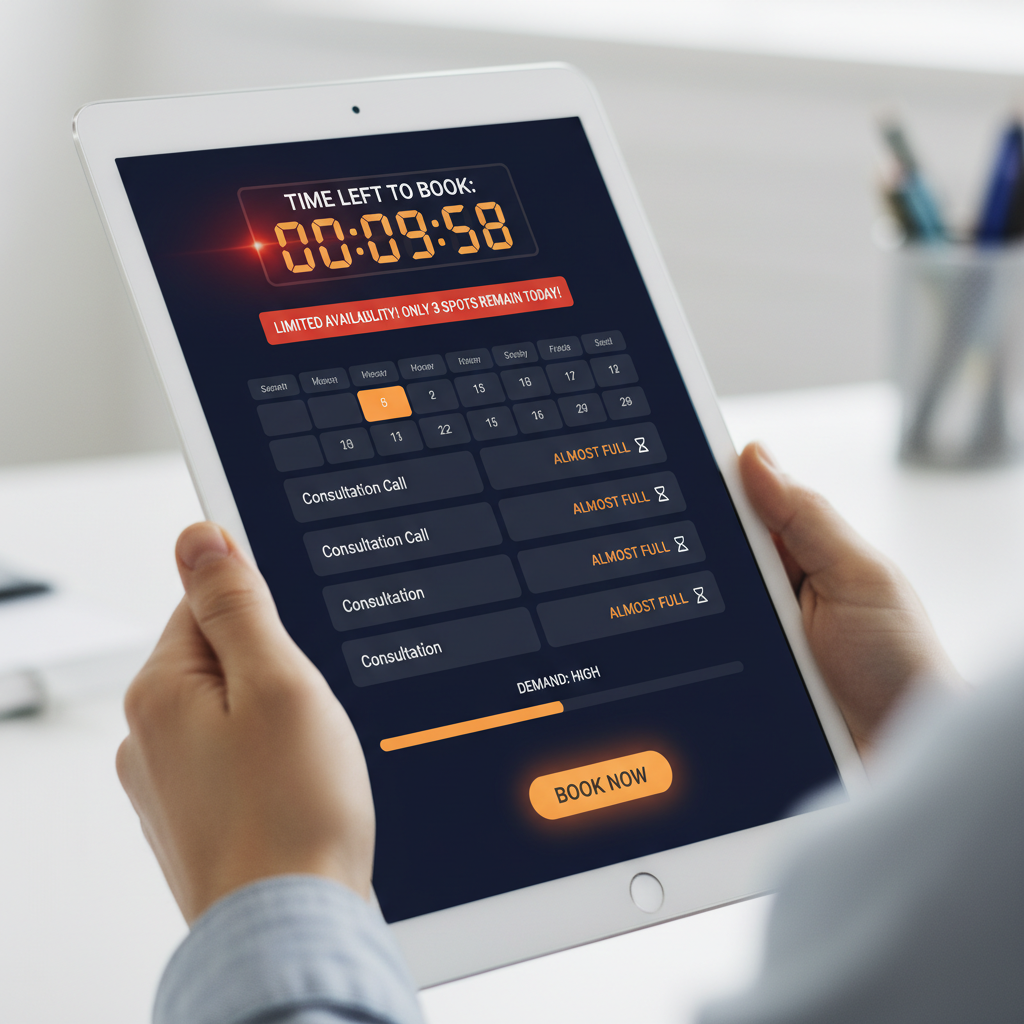
You go to a local plumber's website to book a drain cleaning. You pick a date, pick a time, enter your information, and then the booking page asks: "Would you also like a whole-home plumbing inspection? Most customers add this." There is a big green button for "Yes, add inspection" and a small gray text link for "No thanks, just the drain cleaning." The inspection costs $149. You did not come here for an inspection. But the interface is nudging you hard, and the phrasing "most customers add this" makes you wonder if you are making a mistake by skipping it.
You were not making a mistake. You were being managed by a booking interface designed to increase the average ticket before a technician ever sets foot in your home.
This pattern is everywhere in service business scheduling tools, and it has become so normalized that most business owners do not even think of it as a sales tactic. They think of it as a feature.
The Anatomy of Scheduling Pressure
Online booking tools for home services, auto repair, dental offices, and similar businesses have evolved significantly over the past five years. What used to be a simple form (name, phone, preferred time) has become a multi-step funnel that mirrors e-commerce checkout optimization. And that is not an accident. The companies building these tools borrowed directly from e-commerce dark pattern playbooks.
The most common pressure tactics in scheduling interfaces include:
Pre-checked add-on services. The customer selects a basic service and the booking form pre-selects additional services. The customer has to actively uncheck them to avoid being booked for more than they wanted. This is one of the oldest dark patterns on the internet, and it works just as well on a plumber's booking page as it does on an airline checkout.
Social proof language. "87% of customers also book a safety inspection." This number is often fabricated or derived from a misleading sample. Even when it is technically accurate, it is presented to create conformity pressure, not to inform.
Urgency framing. "Limited availability this week" or "Only 2 slots left for Tuesday." Sometimes this reflects real capacity constraints. Often it is manufactured urgency designed to prevent the customer from comparison shopping or taking time to decide whether they actually need the service.
Price anchoring with bundles. The individual service costs $99. The bundle with two add-ons costs $199. The page makes the bundle look like a deal by showing a crossed-out price of $287 "if booked separately." The customer feels they are saving money by spending twice what they planned.
Who Builds These Interfaces
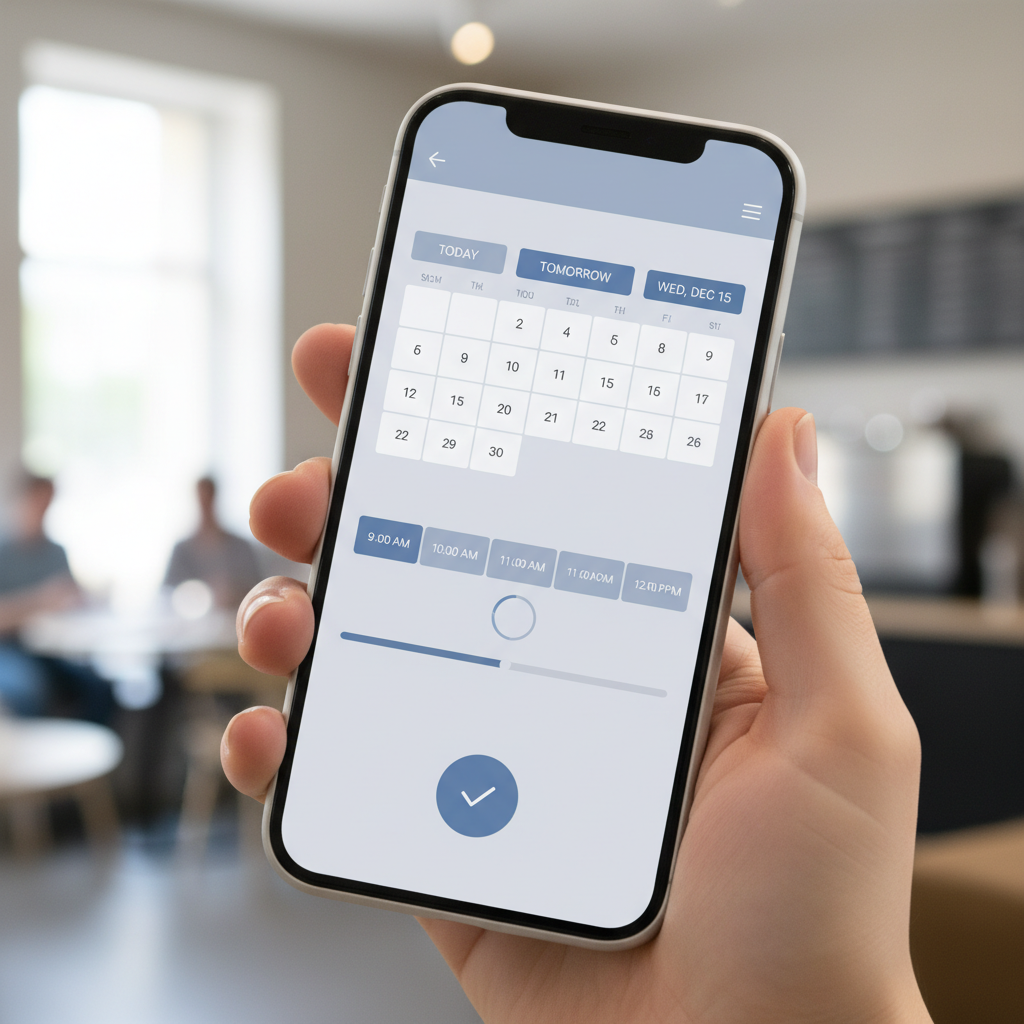
The scheduling tools used by most local service businesses are built by a handful of companies. Housecall Pro, Jobber, ServiceTitan, Mindbody, and Square Appointments dominate the market. Each has its own approach to the booking flow, but the trend across all of them is toward more "conversion optimization" in the scheduling step.
This makes sense from the software company's perspective. They sell to business owners by promising increased revenue. A feature that demonstrably raises average booking value is a powerful sales tool. The software company does not interact with the end customer and bears none of the reputational risk when that customer feels manipulated.
The business owner sees a dashboard that says "add-on services increased average ticket by 34% this month" and calls it a win. What the dashboard does not show is the customer who felt pressured, the one who left a 3-star review mentioning "pushy upselling before I even got an appointment," or the one who quietly went to a competitor whose booking page just let them book what they needed.
The "Soft" in Soft Pressure
What makes scheduling pressure particularly effective is that each individual tactic feels minor. A pre-checked box is easy to uncheck. A "most customers add this" message is easy to ignore. A limited-availability notice might even be true. No single element feels coercive.
But these tactics work in combination. Research on dark patterns has consistently shown that layered nudges are more effective than any individual tactic. When a customer encounters social proof, urgency, pre-selection, and price anchoring in a single booking flow, the cumulative effect is significant, even on people who consider themselves savvy shoppers.
The word "soft" obscures what is actually happening. These are deliberate persuasion techniques applied to people who came to your website with a specific need and a specific budget. The fact that they can technically opt out does not make the pressure ethical. It just makes it legal, at least for now.
What Customers Actually Want From Booking
Every usability study on service booking reaches the same conclusion: customers want the process to be fast, clear, and predictable. They want to select a service, pick a time, confirm their information, and be done. Every additional step, every decision point, every pop-up recommendation adds friction and erodes confidence.
The businesses that treat booking as a sales funnel are optimizing against what their customers actually want. This is a choice, and it has consequences. A customer who felt pressured during booking arrives at the appointment with lower trust and higher skepticism. They are less likely to accept legitimate on-site recommendations because they have already been conditioned to expect a sales pitch.
Meanwhile, a customer who had a clean, simple booking experience arrives expecting good service. They are more receptive to honest recommendations because the business has not already spent its credibility on add-on checkboxes.
The Legal Landscape Is Shifting
The FTC has been increasingly active on dark patterns in commercial interfaces. Its 2022 enforcement action against Fortnite maker Epic Games included penalties for interface designs that tricked consumers into purchases. While that case involved a gaming company, the legal theory applies to any business using deceptive interface design to increase purchases.
The EU's Digital Services Act goes further, explicitly prohibiting interface designs that "distort or impair" consumer decision-making. Service businesses that operate in or serve European customers face direct regulatory exposure from scheduling interfaces that use dark pattern techniques.
In the US, state-level consumer protection laws are increasingly being applied to online interface manipulation. California's CPRA includes provisions about deceptive consent practices that could apply to pre-checked service add-ons.
Building a Booking Flow That Respects Customers
The alternative is not complicated. It just requires accepting that the booking page is not a sales floor.
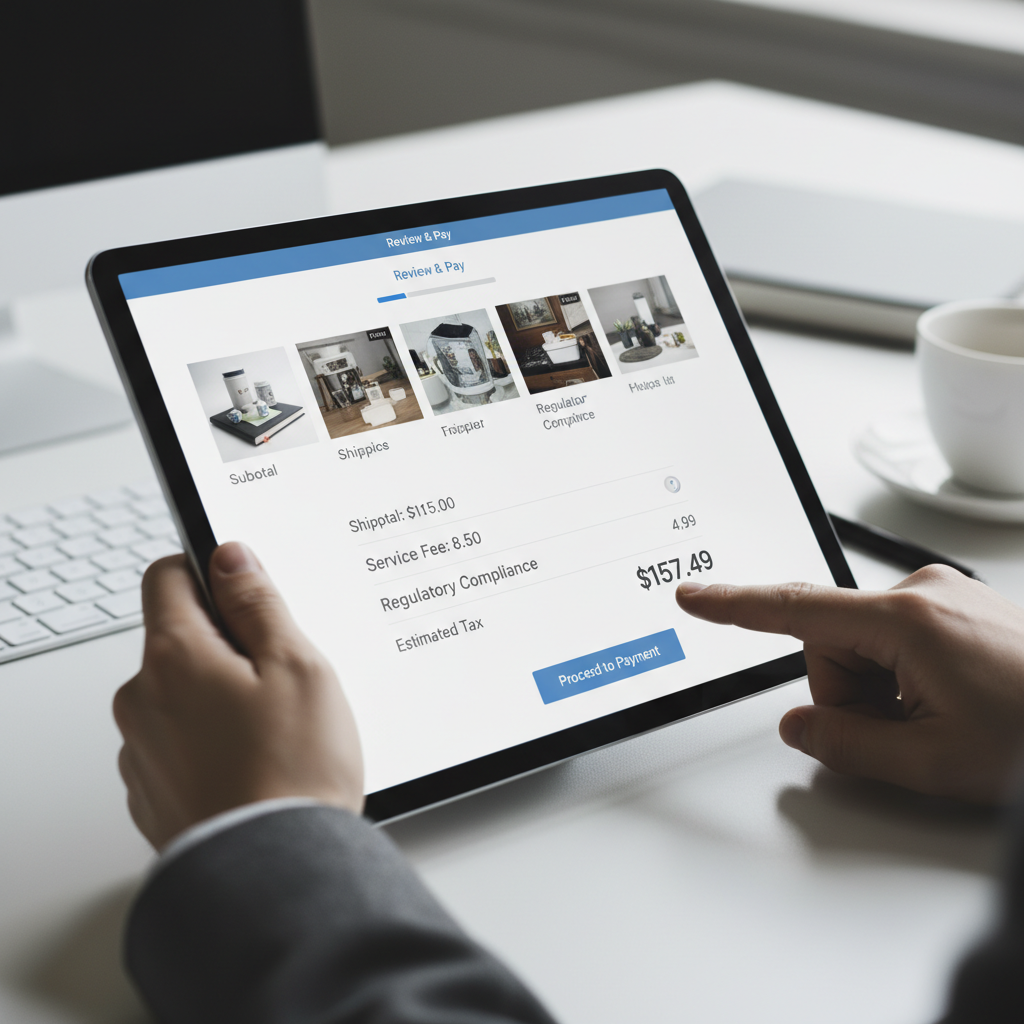
Let customers book exactly what they came to book, without additions, modifications, or "suggestions." If you want to offer add-on services, put them on a separate page that the customer can visit if they choose, not embedded in the booking flow where they create decision fatigue.
If you show availability, show real availability. Do not manufacture scarcity. If Tuesday is genuinely full, say so. If it is not, do not imply it is filling up fast.
Do not pre-check anything. If a customer wants an additional service, they will select it. If they do not select it, that is their decision to make, not yours to override with a default.
Drop the social proof copy. "Most customers also book X" is marketing language, not information. If an additional service is genuinely important, explain why it matters. If you cannot explain why it matters without resorting to conformity pressure, it probably does not matter as much as your software vendor told you it does.
The businesses that build clean, honest booking experiences are not leaving money on the table. They are building the kind of customer trust that generates repeat business and referrals, which is worth more than any pre-checked checkbox ever produced.
Your booking page is the first interaction most customers have with your business. If that interaction feels like a sales pitch, every interaction after it starts from a trust deficit. And trust deficits are expensive to overcome.