The Ethics of Automated Upsell Prompts in Service Businesses
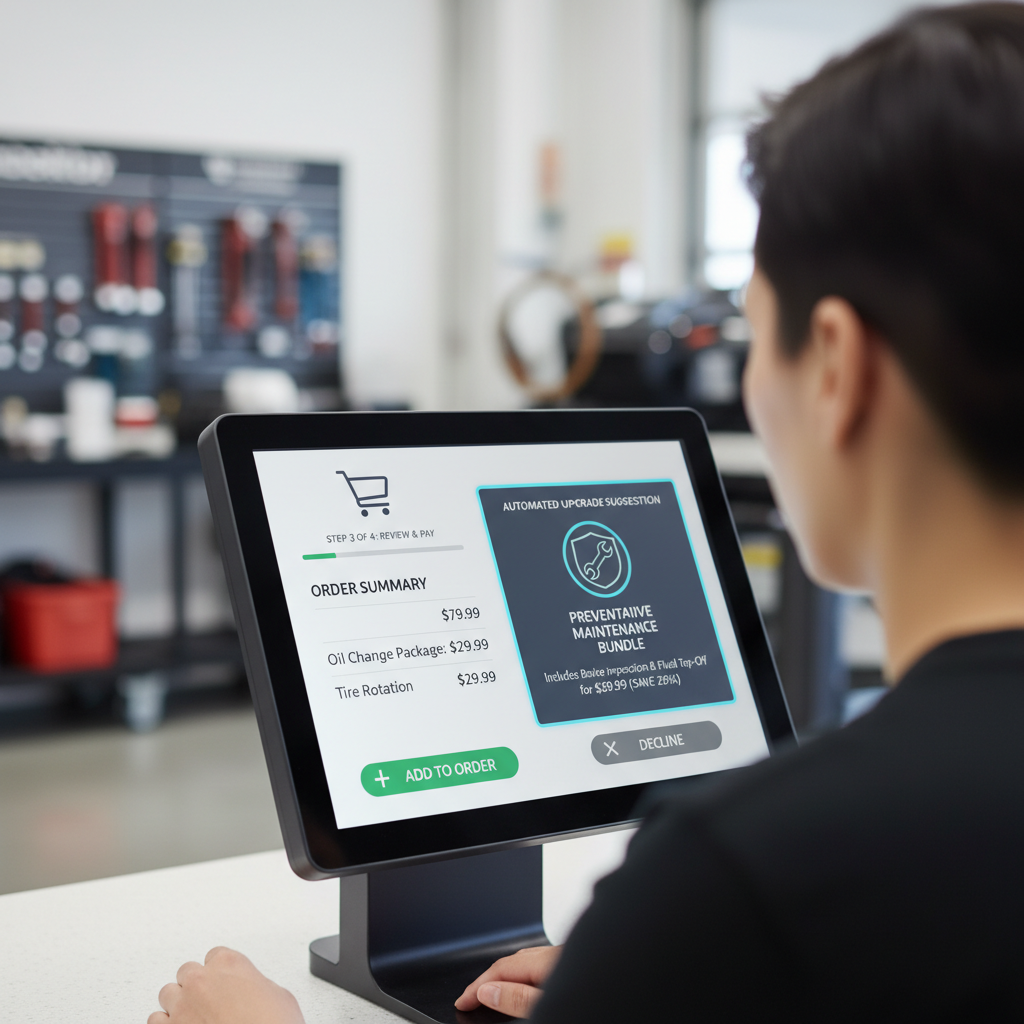
A technician at a regional HVAC company finishes a routine maintenance call. He pulls out his tablet to close the work order in ServiceTitan and a pop-up appears: "Recommend capacitor replacement - average additional revenue $187." The capacitor is fine. He checked it. But the software does not know that, and the prompt does not ask. It just tells him to sell.
He skips it. His manager asks him about it later, because the software tracked that he dismissed the recommendation. His close rate on upsells is below the team average. Now a perfectly honest technician is getting pressure about a metric that has nothing to do with whether customers got good service.
This is not a hypothetical. This is the everyday reality of automated upsell prompts in service business software, and it raises questions that most companies are not bothering to ask.
How Upsell Automation Actually Works
Most modern field service platforms include some form of automated recommendation engine. The logic varies. Some systems use simple rules: if the equipment is more than 8 years old, recommend replacement. If the customer has not had a duct cleaning in 18 months, suggest one. Others use more sophisticated approaches, analyzing customer history, equipment age, seasonal patterns, and even the customer's zip code as a proxy for income level.
The stated purpose is always to help technicians identify legitimate service opportunities they might otherwise miss. And that is a real problem. A good technician focused on fixing the immediate issue might genuinely overlook that the customer's water heater is 15 years old and showing early signs of corrosion. A timely recommendation could save that customer from a basement flood six months later.
The question is not whether automated recommendations can be helpful. They can. The question is what happens when the system optimizes for revenue instead of customer outcomes, and when the business creates incentive structures that punish technicians for exercising honest judgment.
The Revenue Optimization Trap
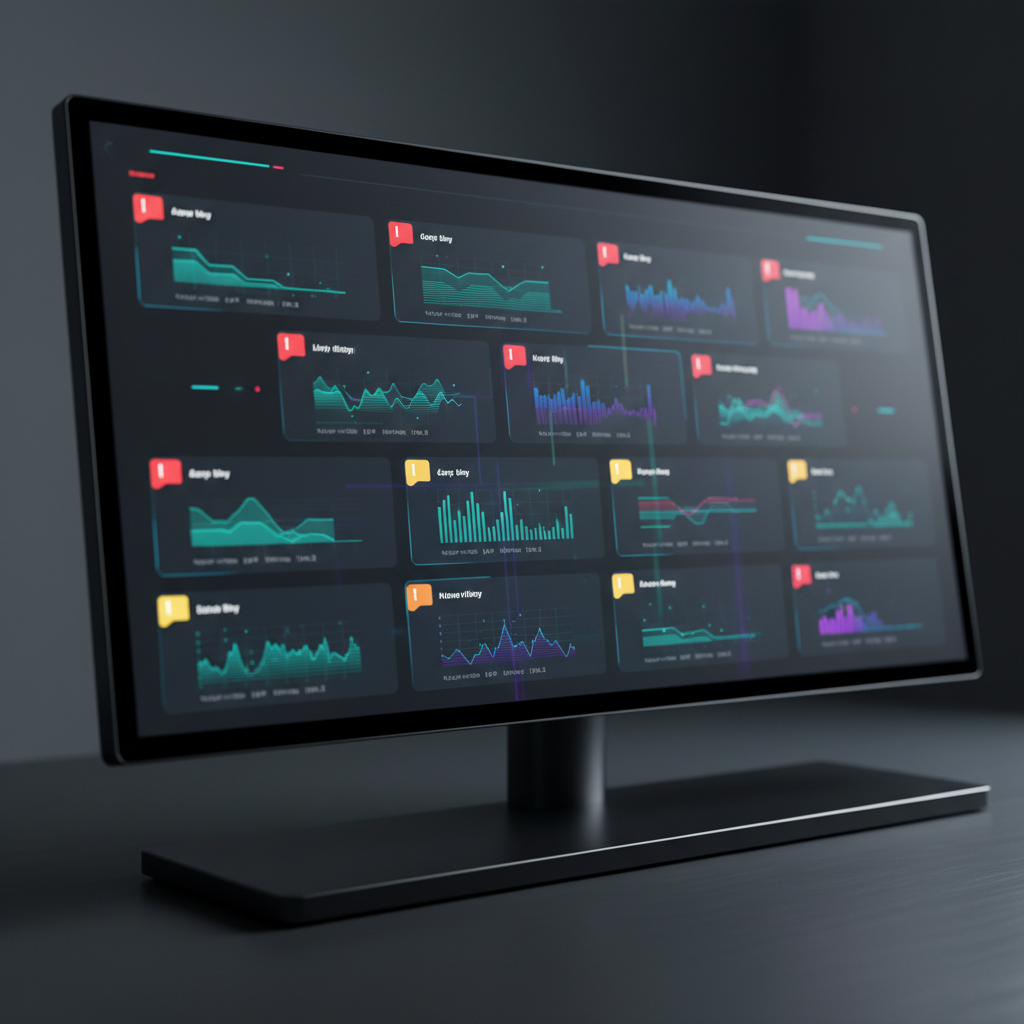
Software companies sell these features by showing prospective customers the revenue impact. Housecall Pro's marketing materials reference average ticket increases. ServiceTitan highlights "unsold estimate" tracking. Jobber promotes "automated follow-ups on declined quotes." The language is always about money the business is "leaving on the table."
When revenue becomes the primary metric, the system's recommendations drift away from customer need. A rule that says "recommend a capacitor replacement if the unit is over 10 years old" sounds reasonable. But a system that says "recommend a capacitor replacement on every call because it increases average ticket by $187" is fundamentally different. The first is based on equipment condition. The second is based on profit margin.
The insidious part is that many businesses cannot tell which type of rule they are actually running. The defaults in most software platforms lean toward the revenue-maximizing version, because that is what gets the software sold to business owners. The business owner sees "smart recommendations" and does not dig into the logic underneath.
Technician Pressure and the Trust Chain
The ethical damage compounds when upsell metrics become part of technician performance reviews. When a tech knows that dismissing too many automated prompts will show up in their weekly numbers, the calculation changes. Even honest technicians start presenting unnecessary services "just in case," because the professional cost of being thorough is higher than the professional cost of overselling.
This is a software design decision that reshapes human behavior. The platform designers who built the upsell tracking dashboard may not have intended to create a system that pressures technicians into dishonesty. But intent does not determine outcome. If the system's structure pushes people toward a specific behavior, that behavior will emerge regardless of anyone's intentions.
The customer at the end of this chain has no idea any of it is happening. They see a technician they trust making a recommendation. They do not know about the pop-up prompt, the performance dashboard, or the manager who reviewed last week's close rates. The entire pressure system is invisible to the person it affects most.
Where the Line Actually Is
Drawing the line between helpful recommendation and manipulative upsell is not as hard as the software industry makes it seem. A few principles separate the two cleanly:
Condition-based vs. calendar-based recommendations. "This part shows visible wear and should be replaced within the next 6 months" is a service recommendation. "This part is due for replacement based on the manufacturer's schedule" might be legitimate or might be premature. "We recommend this service for all customers at this visit" is a sales tactic, not a service recommendation. Software that cannot distinguish between these is not making recommendations. It is running a sales script.
Technician override without penalty. If a technician can decline an automated recommendation without it showing up as a negative on their performance review, the system respects professional judgment. If declining triggers a tracking event that gets flagged in a manager dashboard, the system is designed to override professional judgment. Most platforms default to the second approach.
Customer-visible reasoning. When a technician recommends an additional service, the customer should hear why. Not "the computer says so," but a specific, verifiable reason tied to what the technician actually observed. If the automated prompt does not include a specific condition-based trigger, the technician has nothing honest to tell the customer about why they are recommending it.
The Software Vendors' Responsibility
Platform companies bear real responsibility here, even though they typically disclaim it. When you design a feature that tracks upsell close rates by technician and presents that data to managers, you have designed an incentive system. Calling it a "reporting tool" does not change what it does.
Researchers who study dark patterns have documented how interface design shapes behavior. The same principle applies to the interfaces technicians use. If the "recommend additional service" button is prominent and the "no additional services needed" option requires extra clicks or a written justification, the interface is designed to produce upsells, not honest assessments.
Some vendors are starting to recognize this. A few newer platforms in the home services space have begun offering "customer-first" recommendation modes that require a condition-based trigger before surfacing a suggestion. But these are opt-in features, usually buried in settings, and they reduce the revenue metrics that the platform uses to market itself. The incentives are not aligned.

What Honest Businesses Should Do
If you run a service business and your software includes automated upsell prompts, here is what taking the ethical path actually looks like:
First, audit your recommendation rules. Look at what triggers each prompt. If the trigger is not tied to a specific, observable condition, turn it off. "Customer has not bought this service before" is not a condition. "Equipment is showing measurable degradation" is.
Second, remove upsell close rates from technician performance metrics. Measure customer satisfaction, callback rates, and first-time fix rates instead. These metrics align technician incentives with customer outcomes rather than revenue extraction.
Third, be transparent with customers. If your technician recommends something, the customer should be able to ask "why do you recommend that?" and get a specific, truthful answer. If the honest answer is "my tablet told me to," the recommendation should not have been made.
The businesses that get this right tend to find that honest service recommendations actually produce more revenue over time, because customers trust them and come back. The ones that optimize for short-term upsell metrics eventually find themselves explaining to Google reviewers why the technician tried to sell them a $3,000 system on a routine inspection visit.
Automated upsell prompts are a tool. Like any tool, their ethics depend entirely on how they are configured and what incentives surround them. Right now, the defaults in most service software are pointed squarely at revenue, and the businesses using that software are absorbing the reputational risk without even knowing it.
Your software vendor profits from your upsells. Your business profits from your reputation. When those two things conflict, the software is not going to tell you.